
10 Legal Issues a Divorce Attorney Helps Resolve
By Attorney Robyn Mann | September 2, 2026
Navigating the dissolution of a marriage involves far more than simply filing paperwork to end a legal union. It requires untangling shared financial obligations, dividing accumulated assets, establishing fair parenting schedules, and securing the legal rights of all involved parties. Because family dynamics and financial circumstances vary widely, every matrimonial case presents unique legal hurdles that demand careful analysis and tailored solutions. Having dedicated advocacy helps spouses navigate high-stress decisions while protecting their long-term interests. Understanding the full scope of available legal remedies empowers individuals to approach each phase of the process with confidence. Working with local divorce attorneys allows individuals to address these complex matters in a structured, strategic manner, ensuring that all negotiated terms and judicial decisions adhere to state statutes and stand up to long-term legal scrutiny.
Resolving Matrimonial Disputes and Court Filings
1. Identifying Grounds for Dissolution and Legal Motions
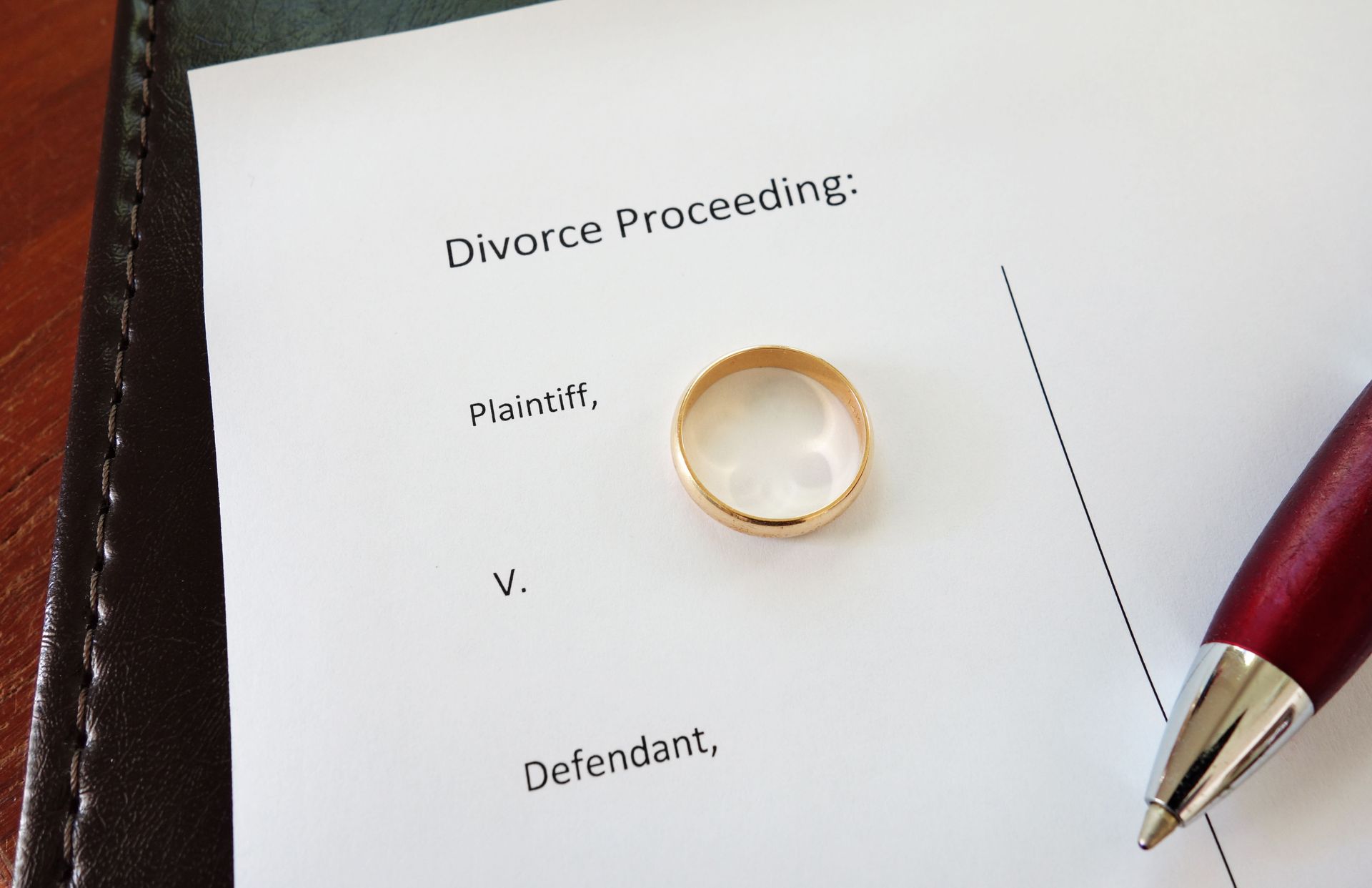
Before any asset can be divided or parenting schedule established, a legal proceeding must formally begin with the state court system. Divorce attorneys assist individuals in determining the appropriate statutory grounds for dissolution, whether fault-based or no-fault, depending on jurisdiction requirements and individual circumstances. Legal professionals draft, review, and file crucial court documents—including initial petitions, summonses, and emergency temporary orders—to establish baseline conduct rules and financial stability while the broader case remains pending. Proper paperwork preparation during this preliminary phase prevents unnecessary judicial delays, preserves strategic options, and ensures full compliance with rigid procedural mandates.
2. Conducting Paperwork Preparation and Document Discovery
Accurate financial disclosures and well-drafted court motions are foundational to reaching a fair outcome in any family law proceeding. Local divorce attorneys coordinate the entire document discovery process, obtaining bank records, tax filings, real estate deeds, business valuation reports, and deferred compensation statements. During this intensive phase, formal interrogatories and requests for production are issued to verify that neither party hides assets, undervalues property, or misrepresents true earning capacity. Having precise documentation organized prior to court appearances protects client interests during complex hearings, evidentiary proceedings, and settlement conferences.
Managing Property Division and Asset Allocation
3. Distributing Marital Assets and Debt Obligations
Dividing accumulated wealth and shared financial liabilities is often one of the most contentious aspects of ending a marriage. According to USAFacts, single-person households surpassed every other individual residential setup for the first time in 2025, with families consisting of married parents and minors under 18 accounting for 17.3% of homes, contrasted with 29.3% for married couples living without children present. As living arrangements shift across the country and households restructure, managing single-income transitions becomes an integral part of asset distribution. Local divorce attorneys evaluate marital property versus separate property under equitable distribution or community property standards, dividing real estate, investment accounts, credit card debt, and personal property fairly.
4. Valuing Retirement Plans and Real Estate Properties
Retirement funds, executive pensions, and real property frequently constitute the largest financial portions of a marital estate. Properly dividing qualified retirement accounts requires specialized court orders, known as Qualified Domestic Relations Orders, to avoid triggering severe tax penalties or early withdrawal fees for either spouse. Attorneys work alongside financial analysts, forensic accountants, and real estate appraisers to accurately establish current market values for homes, land, and complex investment portfolios. This careful review ensures both spouses receive a proper share of long-term investments necessary for post-divorce financial stability.
Establishing Custody and Financial Support Plans
5. Formulating Child Custody and Parenting Arrangements
When minor children are involved in a marital split, establishing clear custody schedules and parental responsibilities remains a paramount priority. Local divorce attorneys guide parents through constructing practical, detailed parenting plans that outline physical custody, legal decision-making authority, visitation schedules, and holiday rotations. When disputes arise regarding parental fitness or home environments, legal professionals help implement neutral interventions, such as guardian ad litem representation or legal parent coordination services, to evaluate the child's best interests objectively and reduce conflict between co-parents.
6. Calculating Child Support and Spousal Maintenance
Financial support obligations must be calculated accurately to provide stability after a single household splits into two separate residences. Local divorce attorneys utilize state statutory formulas to compute child support baselines, factoring in gross parental incomes, healthcare coverage costs, educational expenses, and overnight visitation percentages. Furthermore, attorneys assess spousal support factors—such as the length of the marriage, earning capacity, health status, and established standard of living—to draft enforceable maintenance agreements or argue for appropriate temporary support orders during court hearings.
Protecting Individuals and Managing Special Agreements
7. Addressing Domestic Violence and Emergency Restraining Orders
Safety considerations must take immediate precedence whenever domestic abuse, harassment, or physical threats occur within a family unit. Attorneys help individuals request emergency orders of protection and temporary restraining orders to establish safe physical boundaries and secure temporary exclusive occupation of the marital residence. Providing legal representation during protective order hearings ensures that formal safety orders remain active throughout the duration of the matrimonial proceedings, giving vulnerable parties necessary legal protection while resolving ancillary matters.
8. Evaluating Prenuptial and Postnuptial Agreements
When spouses previously executed prenuptial or postnuptial agreements, those formal legal contracts heavily influence subsequent property division and maintenance awards. Local divorce attorneys evaluate existing agreements to verify their enforceability, checking whether full financial disclosure occurred at signing and whether terms meet current statutory standards. If an agreement contains unconscionable clauses, evidence of duress, or procedural errors, attorneys can file formal legal challenges or defend valid provisions during settlement talks to uphold the original intent of the contract.
Administering Out-of-Court Resolutions and Post-Decree Matters
9. Facilitating Divorce Mediation and Settlement Negotiations
Not every family law case requires adversarial courtroom litigation to achieve a fair resolution. Many couples opt to utilize divorce mediation services to negotiate agreements amicably, efficiently, and privately out of court. Local divorce attorneys act as certified mediators or consult as independent legal counsel during mediation sessions, facilitating constructive dialogue regarding property division, debt allocation, and parental duties. Resolving issues through structured negotiation often saves time, minimizes emotional strain on family members, and gives parties greater control over final outcomes.
10. Securing Post-Judgment Enforcement and Order Modifications
A legal decree is binding, but changing life circumstances often necessitate legal adjustments long after a matrimonial case officially concludes. When an ex-spouse fails to pay ordered child support, refuses to adhere to established parenting schedules, or ignores property transfer obligations, local divorce attorneys assist with post-judgment enforcement motions. Additionally, when significant material changes occur—such as job relocation, involuntary job loss, or substantial income shifts—attorneys prepare formal modification requests to update existing court orders to reflect current economic and physical realities.
Navigating a divorce involves resolving multifaceted legal, financial, and personal challenges that can impact an individual's future for years to come. From managing initial court filings and dividing complex marital assets to structuring long-term parenting plans and securing post-judgment modifications, experienced legal counsel helps clarify complex family law codes. Taking proactive legal measures early in the process minimizes unnecessary delays and prevents costly complications down the road. Comprehensive assistance grants families the peace of mind needed to transition smoothly into their next chapter. Utilizing professional legal guidance ensures that every step taken aligns with strict statutory standards, protecting individual rights and creating clear, sustainable paths forward for the entire family. If you are in need of a divorce and family law lawyer, don't hesitate to contact Robyn Mann Law today to discuss your situation.



Share On: